

Mobile patrols have become a vital component of the UK’s commercial security model, especially for London businesses managing multiple sites or needing flexible protection without the overhead of permanent guards everywhere. The mobile patrol industry is expanding rapidly, driven by demand for cost-effective, adaptive coverage. Scheduled and randomized patrols create a visible deterrent against opportunistic crime such as burglary, vehicle theft, and vandalism, which remain significant concerns highlighted in recent Metropolitan Police crime statistics. Mobile patrols act as force multipliers, extending the reach of security teams efficiently across dispersed assets. Patrol guards use GPS and mobile apps to record real-time activity, allowing security managers to monitor patrol adherence and respond quickly to alarms or incidents. Advanced communication tools facilitate coordination between patrol units and fixed-site security personnel or emergency responders. The ability to rapidly deploy mobile units in response to incidents is particularly important in London’s dynamic environment where businesses often experience spontaneous threats or fluctuating security needs based on events or seasonal shifts. Flexible service contracts tailored to businesses’ risk levels allow for scalable resource allocation, ensuring high-risk sites receive more frequent visits while low-risk sites maintain periodic oversight. This adaptability optimizes security budgets without compromising safety. Reporting features delivered with mobile patrols provide clients with detailed logs, photographic evidence, and incident analyses, supporting compliance with insurance and regulatory requirements while improving overall security strategies. Recent innovations include the integration of mobile patrols with smart technology such as drone surveillance, remote alarm monitoring, and AI-enabled situation assessment, broadening the impact and effectiveness of patrol teams. Industry experts foresee continued growth in mobile patrol demand as businesses increasingly recognize their value in delivering proactive, visible, and versatile security in congested urban settings such as London.
Integrating Technology with Security Services
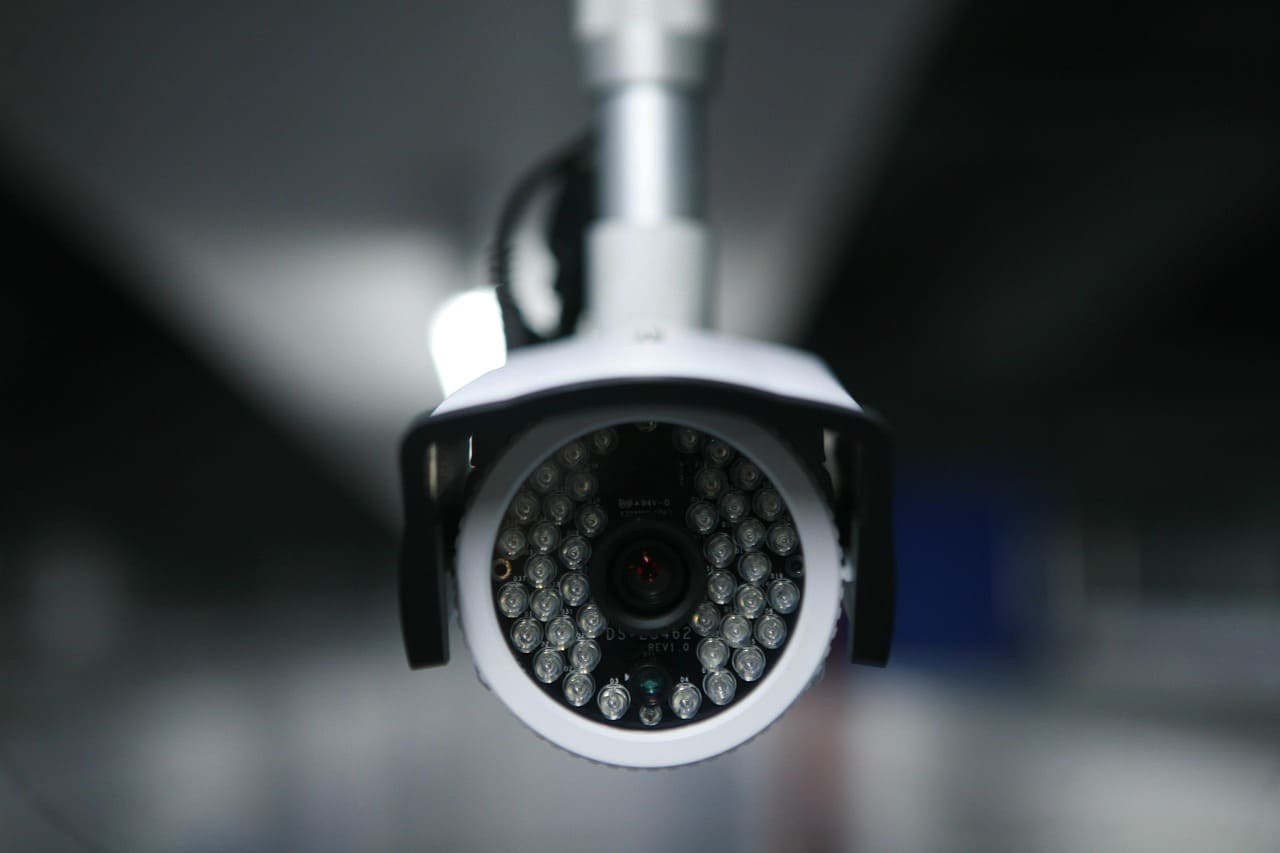
The UK security sector is undergoing a technological revolution, especially within London businesses that are embracing smart security solutions integrated with traditional guarding services to counter complex modern threats. The convergence of technology and human security personnel is shaping a new standard for protection. CCTV systems have evolved from passive video recorders to active tools employing AI and machine learning to identify unusual behavior, alert security staff instantly, and support predictive analytics. These systems reduce reliance on manual monitoring and significantly improve incident detection and evidence quality. Access control technologies leverage biometrics, mobile credentials, and cloud-based management platforms to secure entrance points. London companies are adopting these systems to simplify management while ensuring robust entry verification, aligned with GDPR compliance regarding personal data. Alarm and intrusion detection systems have become smarter and more interconnected. Integration with mobile apps and security control centers means breaches generate real-time alerts accessible anywhere, guaranteeing rapid incident management. The integration extends beyond isolated systems. Unified security platforms combine video surveillance, access control, alarm management, and guard dispatch into a seamless interface that improves decision-making and reduces response times dramatically. Human security guards supported by technology can focus more on strategic tasks rather than routine surveillance. Wearable devices and body cameras enhance communication and incident documentation on the front line, increasing transparency and accountability. The Smart Cities initiative in London promotes the incorporation of IoT devices for public safety, including environmental sensors that complement business security systems by detecting fire, gas leaks, or suspicious activity. Cybersecurity is also a key aspect of modern security integration. Protecting networked security devices from hacking ensures the integrity and availability of critical security functions, prompting London companies to invest in cybersecurity alongside physical measures. Industry analysts predict that hybrid security approaches combining human expertise with AI, IoT, and cloud technologies will dominate the next decade, helping London businesses proactively mitigate risks while optimizing operational efficiency.

Event Security Services in London: What You Need to Know
With London’s 2025 events calendar packed with corporate conferences, music festivals, sports fixtures, and private gatherings, professional event security services are pivotal to ensuring safety and operational success. The UK events security sector has grown dynamically due to new regulations, technological advancements, and heightened threat awareness. Crowd management remains a critical aspect following recent government guidelines stemming from public safety incidents. Security professionals are deploying advanced crowd analytics tools that study attendee flows in real-time to prevent overcrowding, stampedes, and facilitate safe evacuation routes. These tools enable better situational awareness for security teams on the ground and event organizers. Access control technology for events has also evolved. Use of RFID wristbands, biometric scanners, and mobile ticketing now add layers of verification to exclude unauthorized admission and monitor in-event movement. This ensures VIP zones or sensitive areas are secure while maintaining smooth guest experiences. Rapid incident response is a focus in modern event planning strategies. Security teams trained in first aid, conflict de-escalation, and emergency evacuation protocols operate closely with local police and medical services. This inter-agency collaboration ensures incidents are minimized and if they occur, swiftly contained. Pre-event risk assessments are now standard practice for London events, looking beyond terrorism threats to include structural safety, weather conditions, and logistical vulnerabilities. The Safety Advisory Group (SAG), established in many London boroughs, facilitates coordination between event organizers, emergency services, and security providers to enhance resilience. There is also a growing emphasis on cyber security for virtual and hybrid events stimulated by the pandemic. Security firms now integrate network protection, anti-phishing systems, and secure access solutions for online attendees to prevent digital disruptions or data breaches. Sophisticated reporting systems allow event security firms to provide comprehensive post-event analyses, helping clients improve future security planning and demonstrate regulatory compliance. The UK’s regulator, the Security Industry Authority (SIA), continuously updates event security licensing requirements to match emerging risks, making the use of accredited personnel mandatory for major events. The trends reflect an industry that balances innovation and regulation, technology and human factors, all aimed at safeguarding people and reputations in one of the world’s busiest event markets.

Why Every London Business Needs Professional Security Services
In today’s fast-changing security landscape, London businesses face evolving challenges that demand professional security solutions more than ever. The security sector in the UK is experiencing rapid transformation with advancements in technology and a rising focus on integrated security approaches. Recent government reports emphasize increasing threats such as cyber-attacks, violent crime, and organized retail crime, making comprehensive protection indispensable. Professional security services now combine traditional manned guarding with sophisticated use of technology, including AI-powered CCTV, biometric access control, and cybersecurity protocols. This hybrid approach effectively protects physical locations and critical digital infrastructures—your business’s crown jewels. According to the British Security Industry Association (BSIA), the UK security market is expected to grow by 4.2% annually, driven largely by demand for integrated offerings that close gaps in conventional security methods. The retail sector in London, a major contributor to the economy, faces persistent issues with shoplifting and organized retail crime, costing businesses billions annually. Security providers adapting by deploying mobile patrols, quick response teams, and data analytics to identify and thwart criminal activity before it impacts operations. This proactive security stance is critical to maintaining customer confidence and minimizing losses. Emergencies remain unpredictable in nature—fire outbreaks, medical events, or security breaches—and trained security personnel are a frontline defense in such situations. The London Fire Brigade and UK health services have called for better collaboration with private security firms to ensure prompt, coordinated responses, a reflection of increasing trust in professional security teams. Digital transformation poses both challenges and opportunities. Cybersecurity threats are expanding; therefore, businesses employ security professionals who specialize in both physical and cyber defense. Hybrid security services that combine physical security with IT vigilance—such as perimeter alarms linked to cybersecurity incident teams—are gaining traction. Another key trend is the growing use of data-driven security decision-making. Advances in Internet of Things (IoT) devices and security intelligence platforms allow businesses to capture real-time information on security events and adjust their posture dynamically. London’s business landscape is increasingly embracing this normalized integration of human expertise with cutting-edge technology. Customer-focused industries are investing in security not only as loss prevention but as integral to brand reputation and business continuity. Research by the Centre for the Protection of National Infrastructure (CPNI) highlights that companies who invest strategically in security services report higher employee satisfaction, better risk management, and more assured compliance with evolving regulations. To summarize, keeping pace with evolving risks requires London businesses to consider multi-faceted professional security services that protect assets, ensure rapid emergency response, and leverage technology—all offering critical peace of mind. The security industry is embracing smarter, adaptable solutions that keep pace with the growing complexity of threats.

The Importance of Corporate Security in London
Corporate security in London stands at a crossroads, reflecting broader shifts seen across the UK’s security industry. Increasing threats to corporate offices—from insider risks to sophisticated cyber attacks—have prompted a reassessment of security strategies. The need for tailored corporate security arrangements is urgent as businesses now face intertwined challenges that span physical, digital, and operational security. In 2025, corporate entities are investing heavily in layered access control systems to better manage who can enter office premises. This involves smart card readers, mobile credential technology, and biometric authentication that reduce vulnerabilities linked to traditional lock-and-key systems. The Home Office’s latest guidance on building security encourages such technological adoption combined with human oversight. Visitor management is also improving significantly, thanks to advances in automated visitor sign-in solutions that integrate photo ID, background checks, and visitor tracking. This modernization reduces risks associated with unauthorized access and ensures compliance with GDPR and health & safety regulations. CCTV remains a cornerstone but is evolving. London-based corporate offices widely use AI-enhanced video analytics capable of detecting suspicious behavior and alerting security teams proactively. This technology aids forensic investigations as well, providing high-quality evidence for incident resolution. One of the most crucial emerging trends is risk assessment and continuous vulnerability scanning. Security consultants in London conduct comprehensive site surveys paired with digital vulnerability reviews, which identify weak points in physical infrastructure and IT networks. This integrated approach helps businesses mitigate risks from natural disasters, cyber breaches, or insider threats before these disrupt operations. The UK security workforce is also evolving, with greater emphasis on professional training and certification to meet rising corporate demands. Institutions such as the Security Industry Authority (SIA) insist on mandatory PSV (Public Space Surveillance) licenses and enhanced training modules for complex environments. Corporate security in London now extends beyond traditional security guards; it acts as an enabler of operational efficiency. Collaborative security platforms allowing centralized monitoring across multiple offices and seamless integration with emergency services improve resilience. Emerging cybersecurity threats are forcing corporate security to embrace convergence with IT. Concepts such as Zero Trust and Risk-Based Authentication are gaining traction, helping ensure that employees’ and visitors’ digital footprints are secured alongside their physical movement. According to latest industry reports, UK corporates that adopt integrated physical-cyber security frameworks reduce incident response times by up to 40%, safeguarding not only their assets but also their critical intellectual property. Overall, corporate security in London is no longer just a cost center but a strategic imperative that preserves business continuity, regulatory compliance, and reputation in an environment of increasing threats and complexity.